Why Swiss Machining is Essential for High-Quality Manufacturing
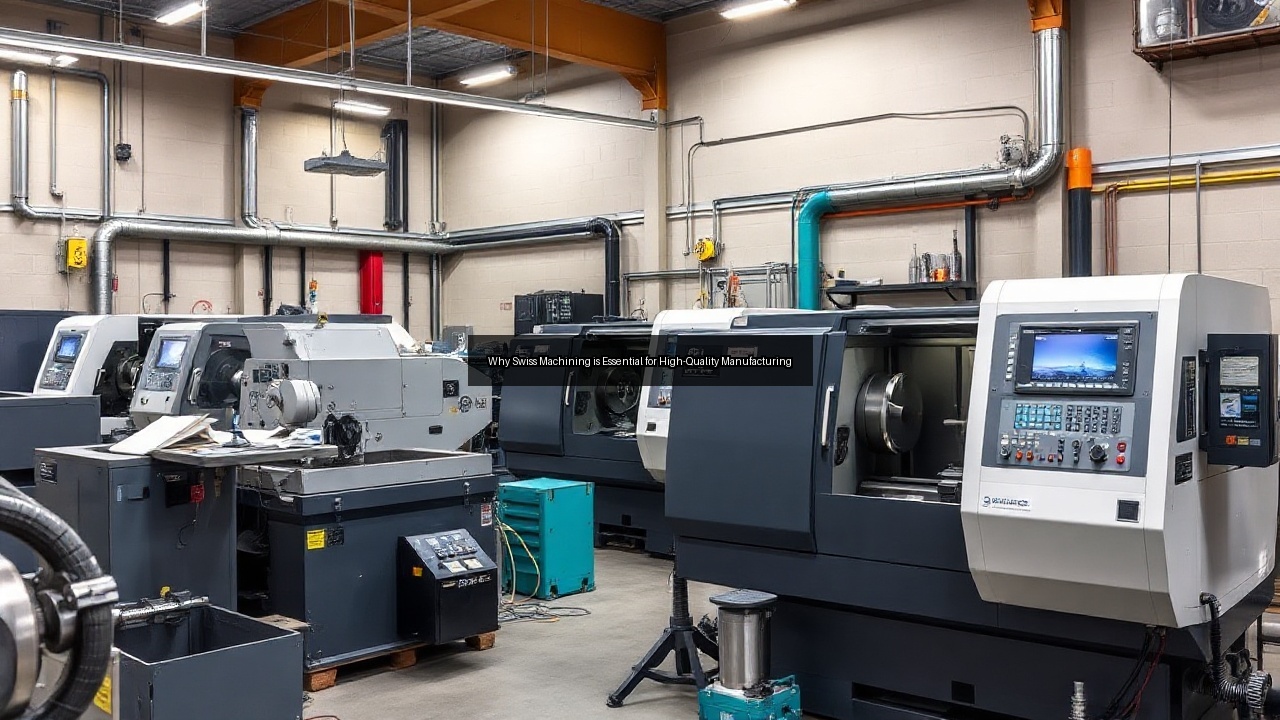
The Importance of Swiss Machining in Modern Manufacturing
Understanding Swiss Machining
Swiss machining, a highly specialized form of precision machining, originated in Switzerland and has become a cornerstone of modern manufacturing. This process involves the use of Swiss lathes, characterized by their unique sliding headstock, which allows for exceptional precision in the production of small, complex parts. Swiss machining excels in producing intricate geometries that demand tight tolerances, making it an ideal choice for industries requiring high-quality machined components. The technique efficiently handles materials like nickel, stainless steel, and plastics, allowing for versatile applications across various sectors.
Applications in Aerospace and Beyond
Aerospace manufacturing stands as one of the most significant beneficiaries of Swiss machining. The industry demands parts that comply with stringent safety and performance standards. Swiss machined components, from screws to gears, often find their way into aircraft engines, landing gear, and other critical systems. Beyond aerospace, industries such as medical devices, automotive, and electronics rely on Swiss machining to produce high-quality machined parts. The ability to achieve high volumes with consistent precision makes Swiss machining an essential solution for manufacturers across these diverse sectors.
Advantages over Traditional Machining Methods
Swiss machining offers numerous advantages over traditional machining methods. The precision achieved in the production process leads to reduced waste and improved efficiency, contributing to lower production costs. The automation capabilities in Swiss machining enhance productivity by minimizing human intervention and increasing output. Additionally, the setup time for Swiss lathes is often shorter than for conventional machines, allowing for quicker turnaround times on projects. These factors make Swiss machining not only a cost-effective choice but also a strategic one for manufacturers aiming to remain competitive in a rapidly evolving market.
Key Features and Technologies in Swiss Machining
Precision of Swiss Lathes
Swiss lathes stand out for their unparalleled precision, crucial for high-quality manufacturing. These machines utilize a unique design that allows the workpiece to be held tightly while the tool moves linearly. This setup reduces tool wear and enhances the accuracy of cuts, ensuring that each machined part meets exact specifications. The ability to produce intricate geometries with tight tolerances makes Swiss lathes the preferred choice for industries that cannot compromise on quality. With advancements in technology, precision machining modern Swiss lathes incorporate features such as live tooling and multi-axis capabilities, further elevating their precision and versatility.
Automation for Increased Productivity
Automation plays a vital role in Swiss machining, significantly enhancing productivity in manufacturing environments. Automated Swiss machines can operate continuously, reducing downtime and increasing output. Programmable features allow for quick changes between different part specifications, enabling machine shops to respond rapidly to customer demands. This level of automation not machining parts only streamlines production processes but also minimizes human error, ensuring consistency in quality across large volumes of machined parts. As industries push for higher efficiency, the integration of automation in Swiss machining will remain a key trend, driving advancements in the field.
Integration with CNC Machines
Swiss machining technology seamlessly integrates with CNC machines, creating a powerful synergy that enhances manufacturing capabilities. CNC Swiss machining combines the precision of traditional Swiss lathes with the advanced programming flexibility of CNC technology. This integration allows manufacturers to produce complex parts with intricate details that would be challenging to achieve with conventional methods. The ability to program specific machining processes ensures that each component meets precise specifications, thereby increasing the reliability of the final product. As the demand for high-quality machining parts grows, the collaboration between Swiss machining and CNC technology will undoubtedly shape the future of manufacturing.
Applications and Industries Utilizing Swiss Machining
Machined Parts in Aerospace
The aerospace industry relies heavily on Swiss machining for producing critical components. From fasteners to complex engine parts, the accuracy and reliability of Swiss-machined components are paramount. Components must withstand extreme conditions while maintaining structural integrity, making the precision offered by Swiss machining essential. The ability to work with high-strength materials and produce parts with intricate geometries positions Swiss machining as a key player in aerospace manufacturing. As the industry continues to innovate, the demand for precise, lightweight, and durable components will further establish Swiss machining's role in the sector.
High-Volume Production with Swiss Style Lathes
Swiss style lathes shine in high-volume production environments. Their design allows for rapid machining of small parts, making them ideal for industries that require large quantities of components without compromising quality. The efficiency of Swiss lathes facilitates the quick transition from one production run to another, allowing manufacturers to meet tight deadlines. This capability is particularly advantageous in sectors like medical devices and consumer electronics, where demand can fluctuate rapidly. By leveraging the speed and precision of Swiss style lathes, manufacturers can achieve a competitive edge in high-volume markets.
Tooling and Geometries for Complex Designs
Swiss machining excels in creating complex tooling and geometries that traditional machining methods struggle to replicate. The ability to produce intricate designs with high precision opens up new possibilities for product development across various industries. Manufacturers can create components with specific features, such as internal threading, complex contours, and precise dimensions. This adaptability allows for innovative product designs that cater to evolving market demands. As industries continue to pursue advancements in product functionality and design, the role of Swiss machining in creating complex geometries will only grow stronger.
Future Trends in Swiss Machining
Emerging Software Solutions
Emerging software solutions are transforming the landscape of Swiss machining. Advanced software tools enhance the programming capabilities of Swiss lathes, allowing for more sophisticated machining processes. Innovations in CAD/CAM systems enable manufacturers to design complex parts and translate those designs into efficient machining instructions seamlessly. This integration reduces the time from concept to production, increasing overall efficiency. As manufacturers adopt these advanced software solutions, the accuracy and functionality of Swiss machining will continue to improve, paving the way for new applications and opportunities in the industry.
Advancements in Swiss Machining Equipment
Ongoing advancements in Swiss machining equipment promise to redefine industry standards. Manufacturers are investing in state-of-the-art Swiss lathes that incorporate cutting-edge technologies such as multi-axis capabilities and enhanced tooling systems. These advancements enable the production of even more complex geometries and improve machining speed and efficiency. Furthermore, the development of hybrid machines that combine additive and subtractive processes presents exciting new possibilities. As Swiss machining equipment evolves, manufacturers can expect increased flexibility, reduced lead times, and higher quality machined parts.
Sustainability and Material Innovations
Sustainability is becoming a focal point in Swiss machining, driving innovation in material selection and waste reduction practices. Manufacturers increasingly seek materials that minimize environmental impact while maintaining performance standards. Innovations in biocompatible materials for medical applications and lightweight alloys for aerospace are paving the way for sustainable production methods. Moreover, Swiss machining techniques that reduce scrap and optimize material usage align with the industry's growing emphasis on sustainability. As regulations around environmental impact intensify, Swiss machining will lead the charge in adopting eco-friendly practices and materials.