The Role of Fuel Tank Gauges in RV Adventures and Long Hauls
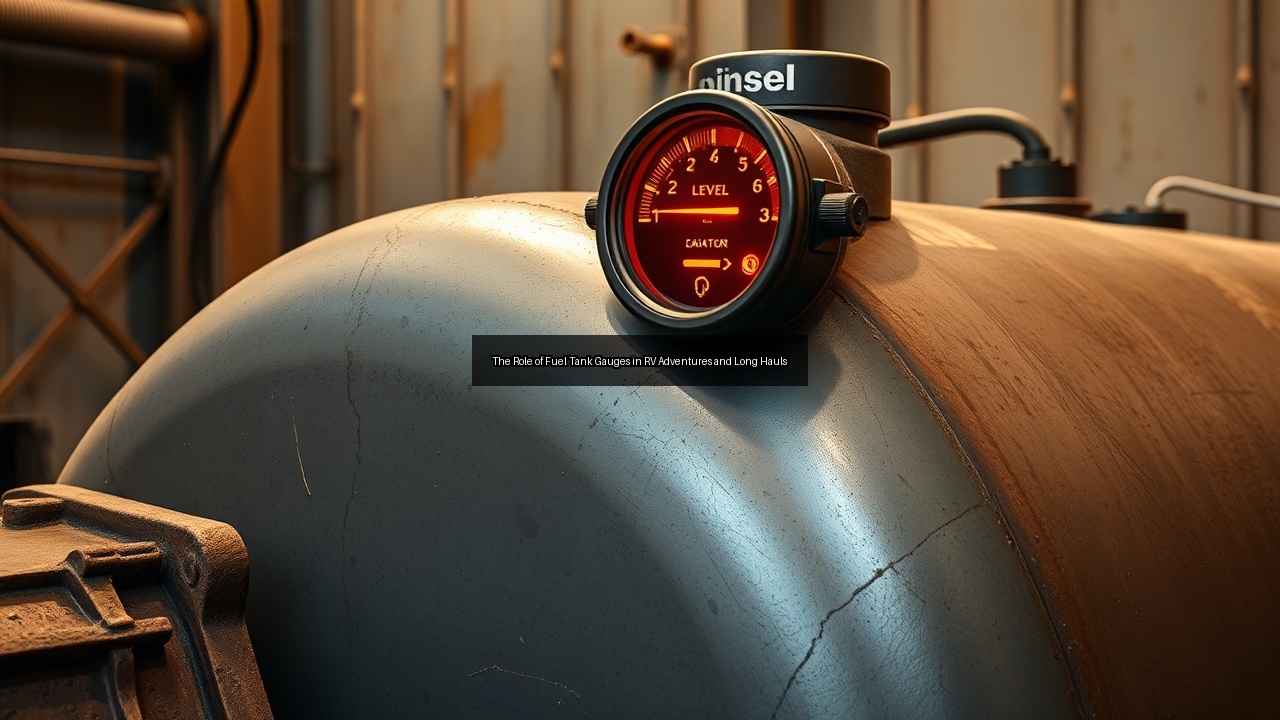
Understanding Diesel Fuel Tank Gauges
What is a Diesel Fuel Tank Level Gauge?
A diesel fuel tank level gauge is an essential component of any RV or vehicle equipped with a diesel engine. This device provides real-time information about the amount of diesel fuel in the tank, allowing drivers to gauge how much fuel remains and plan accordingly. Accurate fuel level indicators prevent unexpected fuel shortages during long hauls. The gauge typically features a display that shows the fuel level in gallons or liters, making it easy to interpret. Understanding how these gauges operate can significantly enhance your RV adventures by minimizing the risk of running out of fuel on remote roads.
How Diesel Fuel Gauges Work
Diesel fuel gauges function through a combination of mechanical and electronic components. Most commonly, they utilize a float mechanism that rises and falls with the fuel level, linked to a level sensor. As the diesel fuel level changes, the float moves, altering the resistance in the circuit and sending a signal to the gauge. This process translates into a visual representation on the dashboard, giving drivers immediate feedback. Electronic gauges often provide more accuracy and can integrate with onboard computers to monitor fuel consumption in real time. Understanding these mechanics not only boosts confidence in your RV’s fuel diesel fuels tank level gauges indicator management but also contributes to safer and more enjoyable travel experiences.
Importance of Accurate Fuel Measurements in RVs
Preventing Downtime on Long Hauls
Accurate fuel measurements are crucial for preventing downtime during long hauls. RV enthusiasts know that nothing disrupts a journey like running out of fuel in a remote area. With accurate diesel fuel tank level gauge indicators, drivers can plan their fueling stops effectively, ensuring they have enough diesel to reach their destination. This foresight eliminates the anxiety that comes with uncertainty. Relying on outdated or malfunctioning gauges can lead to stranded RVs and costly delays. Regular maintenance checks on fuel gauges can help ensure they remain reliable. Drivers should also familiarize themselves with their RV’s fuel consumption rates and plan their routes accordingly. This proactive approach allows for smooth travels and maximizes time spent enjoying the trip rather than worrying about fuel levels.
Impact of Weather on Fuel Consumption
Weather plays a significant role in fuel consumption, directly affecting how much diesel fuel an RV uses on long trips. Cold temperatures can increase fuel viscosity, making diesel engines work harder to maintain performance, which in turn consumes more fuel. Conversely, hot weather may lead to higher evaporation rates, impacting the overall efficiency of diesel fuels. Understanding how weather conditions affect fuel consumption helps RV owners adjust their plans accordingly. For instance, during colder months, it may be wise to fill the fueling tank more frequently or consider diesel additives designed to enhance performance in low temperatures. By monitoring weather conditions and adjusting fuel management strategies, RV drivers can optimize their journeys and reduce the chances of unexpected fuel depletion.
Types of Diesel Fuel Level Gauges
Mechanical vs. Electronic Gauges
RV owners encounter two primary types of diesel fuel level gauges: mechanical and electronic. Mechanical gauges utilize a float mechanism, connecting directly to the fuel tank. As the fuel level changes, the float moves with it, causing a needle on the gauge to reflect the current level. While reliable, mechanical gauges can sometimes be less accurate, especially over time as wear and tear affects their performance.
In contrast, electronic gauges employ advanced technology, often integrating with onboard computers for enhanced monitoring. These diesel gauges provide more precise readings and can even alert drivers to changes in fuel consumption patterns. Many modern RVs come equipped with electronic gauges, making fuel management more efficient. Choosing between mechanical and electronic gauges often depends on personal preference and the specific needs of the RV setup. Both systems have their advantages, but understanding their differences can help RV owners make informed decisions.
The Role of Level Sensors in Monitoring
Level sensors play a pivotal role in monitoring diesel fuel levels in RVs. These devices work in conjunction with the fuel gauge to provide accurate readings. Various types of level sensors exist, including capacitive, resistive, and ultrasonic sensors. Capacitive sensors measure the change in capacitance as the fuel level fluctuates, while resistive sensors utilize a variable resistor linked to a float. Ultrasonic sensors, on the other hand, use sound waves to determine the fuel level, offering high accuracy and reliability.
Understanding the type of level sensor integrated into your RV’s diesel fuel indicator tank gauge diesel fuel system can enhance your ability to manage fuel more effectively. Choosing a system with a reliable level sensor ensures that you receive accurate readings, allowing for better planning and reduced risk of downtime. Regularly checking these components is essential to ensure they function correctly, especially before embarking on long journeys.
Optimizing Fuel Management for RV Adventures
Choosing the Right Diesel Additives
Selecting the right diesel additives can significantly enhance fuel management during RV adventures. Diesel exhaust fluid (DEF) is a common additive that helps reduce emissions in diesel engines, promoting cleaner combustion. Other additives, such as cetane boosters, improve ignition quality and engine performance. These enhancements can lead to better fuel efficiency, which is especially useful during long hauls when every gallon counts. Understanding the specific needs of your RV’s diesel engine helps in choosing the most beneficial additives. Additionally, consider the environmental conditions you will face on your journey. For example, certain additives may improve performance in colder weather, ensuring that your diesel engine runs smoothly even in challenging climates.
Best Practices for Fueling and Maintenance
Implementing best practices for fueling and maintenance can optimize diesel fuel management and enhance the overall performance of your RV. Always refuel at reputable stations to ensure the quality of diesel fuels. Contaminated fuel can lead to engine issues and inefficient operation. Regularly check and maintain the fuel tank, ensuring that no debris or contaminants accumulate, which can affect fuel quality.
Maintaining the diesel fuel tank level gauge indicator is equally important. Periodically inspecting diesel fuels tank level gauges indicator the gauge for accuracy and functionality will prevent potential surprises during your travels. Furthermore, keeping records of fuel consumption can help identify any unusual patterns or inefficiencies, prompting timely maintenance or adjustments. By combining these best practices with a solid understanding of your RV’s fuel system, you can enjoy more seamless and enjoyable RV adventures.