Exploring the Benefits of Thread Rolling for High-Volume Production
Understanding Thread Rolling Services
What is Thread Rolling?
Thread rolling is a cold-forming process that creates threads on metal workpieces. Instead of cutting or machining the material, thread rolling deforms the metal to produce the desired thread profile. This method utilizes cylindrical dies that apply pressure to the workpiece, forcing the material into the shape of the thread. The resulting threads are often more precise and have better surface finishes compared to those produced by traditional machining techniques. Manufacturers widely use thread rolling services for creating fasteners and other components that require precise threading.
The Mechanism of Thread Rolling
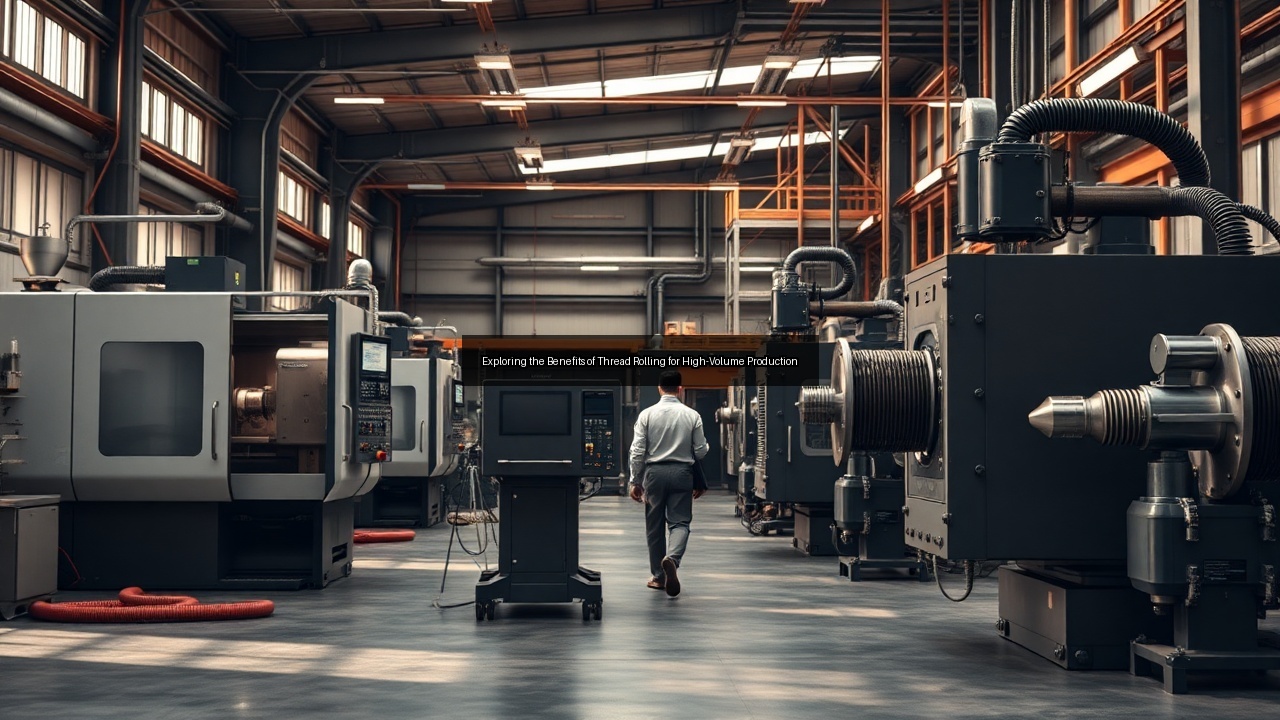
The mechanism of thread rolling involves several steps to ensure quality and efficiency. First, the metal blank is fed into a rolling machine equipped with specially designed dies. These dies come in various shapes and sizes to accommodate different thread profiles. As the machine operates, it rotates the blank while the dies apply pressure, causing the material to flow and form the thread shape. This process can produce threads of various sizes and pitches, making it versatile for different manufacturing needs. The continuous operation of machines allows for high-speed production, which is essential for high-volume requirements.
Industries Utilizing Thread Rolling Services
Many industries benefit from thread rolling services due to their efficiency and quality. The aerospace sector relies on thread rolling to create high-strength fasteners that can withstand extreme conditions. In the military, where precision and reliability are paramount, thread rolling produces components that meet strict standards for safety and performance. The oil and gas industry also utilizes thread rolling to manufacture durable parts that can endure harsh environments. These industries demonstrate the broad applicability of thread rolling in producing critical components across various sectors.
Advantages of Thread Rolling in High-Volume Production
Cost-Effectiveness Compared to Traditional Methods
Thread rolling services offer significant cost advantages over traditional machining methods. The cold-forming process requires less energy and generates minimal scrap material, reducing production costs. Manufacturers can produce threads in large quantities without extensive downtime, as thread rolling machines operate continuously. This efficiency translates into lower labor costs and faster turnaround times. For businesses focused on high-volume production, the cost-effectiveness of thread rolling makes it an attractive option. Furthermore, as manufacturers benefit from reduced waste and increased output, they can pass these savings on to customers, enhancing their competitive edge in the marketplace.
Enhanced Strength and Durability of Threads
Threads produced through thread rolling exhibit superior strength and durability compared to those created through machining. The cold-forming process realigns the metal's grain structure, enhancing the mechanical properties of the threads. This results in greater resistance to fatigue and wear, which is particularly important in high-stress applications. For instance, aerospace components must withstand significant forces during operation, and the enhanced strength from thread rolling ensures reliability. Moreover, the smooth surface finish achieved through this process reduces friction, further extending the lifespan of the threads. Businesses that prioritize quality and performance in their fasteners greatly benefit from the enhanced durability provided by thread rolling services.
Reduced Material Waste and Environmental Impact
Manufacturing processes that minimize waste contribute positively to environmental sustainability. Thread rolling services excel in this area by generating less scrap compared to traditional machining methods. Since thread rolling involves deforming a metal blank rather than cutting away material, it maximizes the use of the original workpiece. This reduction in waste not only lowers costs for manufacturers but also lessens their environmental footprint. Companies increasingly recognize the importance of sustainable practices, and choosing thread rolling aligns with those values. By opting for thread rolling services, manufacturers can promote a more eco-friendly approach while maintaining efficiency and quality in their production processes.
Applications of Thread Rolling in Various Sectors
Aerospace Industry Requirements
The aerospace industry demands precision and reliability in every component, particularly in fasteners and structural parts. Thread rolling plays a crucial role in meeting these requirements by producing high-strength threads that can withstand extreme conditions. Aerospace applications often involve lightweight materials like aluminum and titanium, which benefit significantly from the cold-forming process. The enhanced strength and reduced weight of rolled threads are vital for aircraft performance. Additionally, manufacturers in this sector prioritize compliance with strict regulations, and thread rolling serves as a proven method to achieve the necessary specifications for safety and reliability in aerospace components.
Military Applications and Standards
Military applications require the highest standards of quality and performance. Thread rolling services provide a solution by producing parts that meet rigorous military specifications. Components such as fasteners used in military machinery must endure harsh environments and heavy usage. The durability and strength of rolled threads make them ideal for this purpose. Moreover, the precision achieved in thread rolling ensures that parts fit correctly, which is critical in military applications where failure is not an option. Manufacturers catering to the military sector often seek reliable thread rolling services to guarantee their products meet the demanding standards of national defense.
Oil and Gas Industry Demands
The oil and gas industry relies heavily on robust and reliable components that can withstand extreme temperatures and pressures. Thread rolling services meet these demands by producing high-quality threaded parts used in drilling equipment, pipelines, and valves. The cold-forming process enhances the mechanical properties of metals, making them suitable for the harsh environments encountered in oil and gas extraction. Additionally, the efficiency of thread rolling allows manufacturers to keep up with the high-volume production needed in this sector. As energy demands continue to grow, the importance of reliable fasteners and components becomes paramount, and thread rolling plays a vital role in meeting these industry needs.
Choosing the Right Thread Rolling Service Provider
Key Factors to Consider When Selecting a Manufacturer
Selecting the right thread rolling service provider is crucial for ensuring quality and efficiency in production. Manufacturers should evaluate factors such as the provider's experience, production capacity, and reputation in the industry. A well-established company with a history of delivering high-quality products can provide confidence in their capabilities. Additionally, examining their technology and equipment is essential, as modern machines can enhance precision and speed. Customer service and communication also play vital roles in ensuring a smooth production process. A manufacturer that prioritizes collaboration and responsiveness can help streamline the project from start to finish.
Technological Advancements in Thread Rolling
Technological advancements have significantly transformed thread rolling services. Innovations in CNC (Computer Numerical Control) technology allow for greater precision and automation in the rolling process. Modern machines can produce complex thread profiles with minimal human intervention, increasing efficiency and reducing the likelihood of errors. Furthermore, advancements in materials and coatings enhance the durability of threads produced through rolling. Manufacturers that invest in the latest technology can offer superior products that meet the evolving demands of various industries. Staying updated on these advancements enables businesses to remain competitive and deliver high-quality components to their customers.
The Role of CNC and EDM in Thread Rolling Services
CNC machining and EDM (Electrical Discharge Machining) play complementary roles in thread rolling services. CNC technology allows for precise control over the rolling process, enabling manufacturers to create intricate thread designs with high accuracy. Meanwhile, EDM machining can enhance the production of dies used in thread rolling, ensuring they maintain their shape and performance over time. By integrating these technologies, manufacturers can optimize their production processes and achieve the best possible results. The combination of CNC and EDM not only improves the quality of threaded components but also enhances production efficiency, making it essential for high-volume manufacturing.