Comparing Air Dehumidifiers for Hotel Swimming Pool Applications
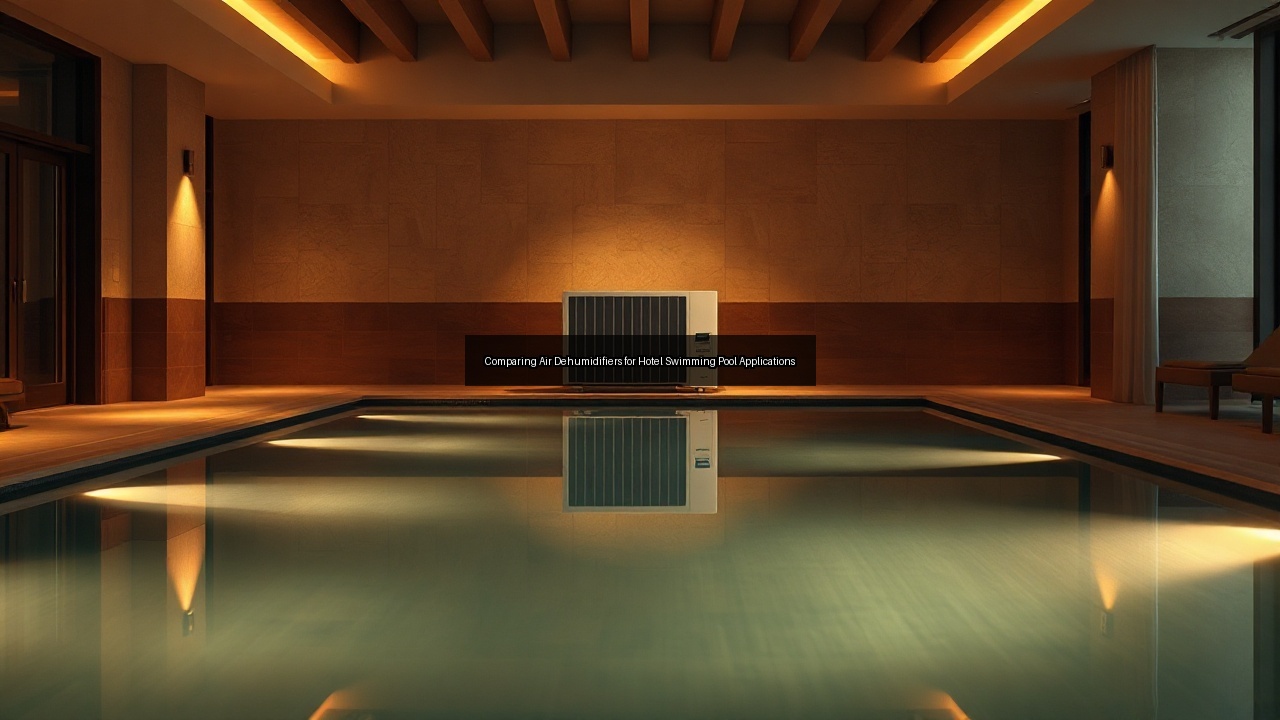
Understanding the Importance of Dehumidification in Hotel Swimming Pools
The Role of Humidity Control in Indoor Pools
Humidity control plays a crucial role in maintaining the comfort and safety of guests in hotel swimming pools. Indoor pools generate significant moisture, leading to an environment that can quickly become uncomfortable if humidity levels are not properly managed. High humidity can lead to poor air quality, making it difficult for swimmers to breathe comfortably. Furthermore, effective humidity control ensures that the water temperature remains stable, enhancing the swimming experience. By investing in a quality hotel swimming pool dehumidifier, hotels can create a pleasant atmosphere that encourages guest retention and satisfaction.
Effects of Excess Moisture on Hotel Infrastructure
Excess moisture can significantly impact a hotel's infrastructure and operational costs. High humidity levels contribute to the growth of mold and mildew, which can damage walls, ceilings, and other structural elements. This not only leads to costly repairs but also poses health risks for guests and staff. Additionally, excessive moisture can corrode HVAC systems and other equipment, reducing their lifespan and efficiency. Implementing an effective dehumidification strategy for hotel swimming pools protects the building's integrity while also minimizing maintenance costs over time. Proper dehumidification units serve as a long-term investment in the hotel’s infrastructure.
ASHRAE Guidelines for Natatoriums
Following ASHRAE (American Society of Heating, Refrigerating and Air-Conditioning Engineers) guidelines for natatoriums is essential for hotel swimming pool operations. These guidelines provide recommendations on temperature and humidity control, promoting a safe and comfortable environment for swimmers. According to ASHRAE, maintaining indoor humidity levels between 50-60% is optimal for indoor pools. Adhering to these standards not only ensures guest comfort but also helps in compliance with health and safety regulations. By investing in a hotel pool dehumidification unit that meets ASHRAE guidelines, hotels can enhance their reputation while ensuring guest satisfaction.
Types of Air Dehumidifiers for Hotel Swimming Pools
Refrigerant-Based Dehumidifiers: Pros and Cons
Refrigerant-based dehumidifiers are one of the most common choices for hotel swimming pools. These units function by cooling air to remove moisture, condensing it into water that drains away. The primary advantage of refrigerant dehumidifiers is their ability to effectively handle high humidity levels in indoor pools. They require less maintenance than some other types and often feature built-in humidity controls. However, they can be less energy-efficient in cooler temperatures and may require larger refrigerants to operate effectively. Hotels must weigh the pros and cons carefully, considering their specific needs and environmental conditions when selecting a refrigerant-based hotel swimming pool dehumidifier.
Desiccant Dehumidifiers: How They Work
Desiccant dehumidifiers use hygroscopic materials to absorb moisture from the air. Unlike refrigerant-based units, they can operate efficiently in a wider range of temperatures, making them suitable for various climates. These dehumidifiers are particularly effective in maintaining low humidity levels in indoor pools, ensuring a consistently comfortable environment for guests. However, desiccant dehumidifiers generally require more energy to regenerate the desiccant material, which can lead to higher operational costs. Hotels need to consider their energy budgets and the specific moisture control requirements of their indoor swimming pools when evaluating desiccant options.
Energy Recovery Ventilation Systems for Pools
Energy recovery ventilation (ERV) systems offer an innovative approach to humidity control in hotel swimming pools. These systems work by exchanging heat and moisture between incoming and outgoing air streams. This process helps to maintain optimal humidity levels while also conserving energy. By pre-conditioning the incoming air, ERV systems reduce the load on HVAC units, leading to significant energy savings. Hotels that prioritize sustainability and energy efficiency may find ERV systems to be a worthwhile investment. Additionally, integrating an ERV system with a hotel pool dehumidifier can enhance overall climate control, creating a more comfortable environment for guests.
Design Considerations for Selecting a Hotel Pool Dehumidifier
Sizing the Dehumidification Unit for Efficiency
Choosing the right size for a hotel pool dehumidifier is critical for achieving optimal performance and efficiency. An undersized unit will struggle to maintain humidity control, leading to discomfort for guests and potential damage to the hotel’s infrastructure. Conversely, an oversized unit may cycle on and off too frequently, wasting energy and increasing wear and tear. To determine the appropriate size, hotels should consider factors such as pool dimensions, water surface area, and expected occupancy levels. Consulting with HVAC professionals can provide valuable insights into the proper sizing of a hotel pool dehumidification unit, ensuring that it meets the specific needs of the facility.
Integrating with HVAC Systems for Optimal Performance
Effective integration of a hotel pool dehumidifier with existing HVAC systems enhances overall performance and energy efficiency. A well-designed HVAC system can complement the dehumidification unit, allowing for better air circulation and temperature control. Hotels should assess their current HVAC systems to dehumidifer determine how best to integrate a dehumidifier. This may involve adjustments to ductwork, dehumidified airflow patterns, or control systems. Coordination between HVAC and dehumidification units allows for smoother operation, ensuring that guests enjoy a consistently comfortable environment while minimizing energy consumption.
Energy Efficiency Ratings: What to Look For
When evaluating hotel swimming pool dehumidifiers, energy efficiency ratings play a significant role in long-term operational costs. Look for units that carry certifications such as ENERGY STAR, which indicates that they meet strict energy efficiency guidelines. Additionally, consider the dehumidifier's energy factor (EF), which measures the unit's efficiency at removing moisture. Higher EF values indicate more efficient units. Selecting a hotel pool dehumidifier with excellent energy efficiency ratings not only reduces operating costs but also aligns with sustainability goals, making it a smart choice for hotels keen on minimizing their environmental impact.
Comparative Analysis of Popular Hotel Swimming Pool Dehumidifiers
Top Brands and Models in the Market
Several top brands dominate the hotel swimming pool dehumidifier market, each offering unique features tailored to hotel needs. Brands like dehumidifier manufacturer A and manufacturer B have built a reputation for reliability and performance. Popular models from these manufacturers include the Model X and Model Y, known for their advanced humidity control technologies and energy efficiency. These units cater specifically to the needs of natatoriums, ensuring optimal performance in high-moisture environments. By comparing specifications and user reviews, hotels can identify the best options to suit their specific requirements and budgets.
Cost-Effectiveness and Maintenance Considerations
Cost-effectiveness encompasses both initial investment and ongoing maintenance expenses when selecting a hotel swimming pool dehumidifier. Higher-quality units may have a steeper upfront cost but offer significant savings in energy consumption and maintenance over time. Regular maintenance is essential to ensure longevity and performance; thus, hotels should consider the ease of service and availability of parts when making their selection. Investing in a more efficient hotel pool dehumidifier with lower maintenance needs can lead to substantial savings, enhancing overall profitability in the hospitality sector.
Case Studies: Successful Implementations in Hotels
Case studies of successful hotel pool dehumidifier implementations highlight the benefits of effective humidity control. For example, Hotel A installed an energy recovery ventilation system alongside a high-efficiency dehumidifier, resulting in a 30% reduction in energy costs and improved guest satisfaction scores. Similarly, Hotel B opted for a desiccant dehumidifier for its indoor pool, achieving precise humidity control even in cooler months, which significantly enhanced the swimming experience. These real-world examples illustrate the transformative impact of selecting the right hotel swimming pool dehumidifier, ultimately leading to improved infrastructure, cost savings, and elevated guest experiences.